In today’s fast-paced digital age, the concept of Pappedeckel The Books Warm has emerged as a symbol of comfort, , and creativity. The phrase captures the essence of combining environmental awareness with the timeless joy of reading. From recycled cardboard crafts to warm literary spaces, Pappedeckel The Books Warm represents a unique cultural shift toward mindful consumption and intellectual enrichment.
This article explores the meaning, evolution, and influence of Pappedeckel The Books Warm, diving deep into how it redefines sustainability and the human connection to books.
Understanding the Concept of Pappedeckel The Books Warm
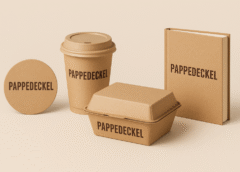
To appreciate Pappedeckel The Books Warm, it’s essential to break down its components. The word “Pappedeckel” is German for “cardboard,” often symbolizing simplicity and environmental consciousness. Combined with “The Books Warm,” it portrays the comforting, nostalgic atmosphere books bring into our lives.
Essentially, Pappedeckel The Books Warm stands at the crossroads of sustainable design and literary passion. It celebrates how recyclable materials like cardboard can be repurposed into creative reading spaces, book covers, or decorative art—all while promoting warmth, both literal and emotional.
The Cultural Significance of Pappedeckel The Books Warm
Books have always been seen as sources of comfort and wisdom. The addition of “Pappedeckel” introduces an ecological dimension to this warmth. In a time when the world is moving toward greener practices, Pappedeckel The Books Warm reflects a lifestyle that values both sustainability and storytelling.
Many libraries, cafes, and creative studios have adopted the idea by using cardboard furniture, recycled paper décor, and sustainable packaging. The goal is not just aesthetic but also ethical—reducing waste while fostering a love for books.
Evolution of Pappedeckel The Books Warm in Modern Design
How the Idea Developed
Originally, Pappedeckel referred to basic cardboard packaging. Over time, designers and artists began to recognize its potential as a versatile material. Combined with the literary and emotional theme of “The Books Warm,” it evolved into a movement that encourages people to create environmentally friendly reading spaces.
The table below illustrates the timeline of how Pappedeckel The Books Warm evolved:
| Year | Development Phase | Key Concept |
|---|---|---|
| 2010 | Early Eco-Art Movement | Use of cardboard in small-scale design |
| 2015 | Rise of Literary Cafés | Sustainable book-themed interiors |
| 2020 | Global Sustainability Awareness | Merging eco-design with book culture |
| 2025 | Cultural Integration | Widespread adoption of eco-literary spaces |
This evolution shows that Pappedeckel The Books Warm is not just a design trend—it’s a lifestyle choice promoting mindfulness and creativity.
Eco-Friendly Practices within Pappedeckel The Books Warm
One of the strongest features of Pappedeckel The Books Warm is its dedication to eco-conscious living. Cardboard, a biodegradable and recyclable material, has become a symbol of resourceful creativity. From DIY bookstands to sustainable packaging for literary gifts, the applications are endless.
Sustainable Elements Used
| Material | Purpose | Environmental Impact |
|---|---|---|
| Cardboard (Pappedeckel) | Furniture, shelving, book covers | Recyclable, biodegradable |
| Recycled Paper | Book printing, bookmarks | Reduces deforestation |
| Soy Ink | Printing and art | Non-toxic and renewable |
| Bamboo | Decorative elements | Fast-growing and renewable |
Each component within Pappedeckel The Books Warm supports the planet while maintaining a cozy, artistic appeal.
The Emotional Connection Behind The Books Warm
Books inherently create emotional warmth. The phrase “The Books Warm” symbolizes not only the physical comfort of holding a book but also the deep psychological solace that reading provides. When paired with Pappedeckel, the idea expands beyond literature—it becomes a metaphor for sustainable living and emotional resilience.
In Pappedeckel The Books Warm, warmth is not just about temperature; it’s about connection. Cardboard, though simple, becomes a bridge between human creativity and environmental care—an art form that invites reflection and comfort.
Modern Applications of Pappedeckel The Books Warm
Interior Design
Many designers now incorporate Pappedeckel The Books Warm aesthetics into homes, offices, and libraries. Cardboard furniture, minimalist shelving, and recycled décor bring together a warm reading environment that’s both beautiful and responsible.
Art and Craft
Artists embrace Pappedeckel as a medium for storytelling. Cardboard sculptures, literary installations, and recycled book art pieces embody the principles of The Books Warm—beauty with a conscience.
Education and Community
Educational spaces have adopted Pappedeckel The Books Warm to teach children about sustainability. Cardboard reading corners, eco-friendly book fairs, and creative workshops help nurture awareness about recycling and the joy of reading.
The Role of Technology in Pappedeckel The Books Warm
While the movement emphasizes traditional materials, technology plays a vital role in its expansion. Digital design tools enable creators to model cardboard furniture efficiently, ensuring structural integrity and aesthetic balance. Online communities also share ideas, tutorials, and sustainable design principles under the banner of Pappedeckel The Books Warm.
The integration of technology ensures that eco-conscious creativity remains scalable and accessible worldwide.
Why Pappedeckel The Books Warm Matters Today
In a world facing environmental crises and social disconnection, The Books Warm represents a much-needed harmony between sustainability and humanity. It encourages individuals to:
- Reconnect with the tactile pleasure of books.
- Adopt green practices in everyday life.
- Transform ordinary materials into extraordinary experiences.
This philosophy transcends aesthetics—it’s about rethinking how we live, create, and connect with our surroundings.
Comparing Traditional and Sustainable Book Spaces
| Feature | Traditional Book Space | Pappedeckel The Books Warm Space |
|---|---|---|
| Materials | Wood, plastic, metal | Recycled cardboard, bamboo |
| Aesthetic | Classic or industrial | Minimalist and eco-chic |
| Environmental Impact | Moderate to high | Low and sustainable |
| Emotional Value | Focused on books | Integrates nature and emotion |
This comparison reveals that The Books Warm offers not just a visual transformation but also a shift in mindset—toward simplicity, sustainability, and serenity.
The Future of Pappedeckel The Books Warm
The future of The Books Warm lies in innovation and community engagement. As climate change continues to shape consumer choices, the emphasis on recyclable materials and meaningful spaces will only grow. Future libraries, bookshops, and homes may increasingly adopt this model, blending art, sustainability, and literature into one seamless experience.
Collaborations between eco-designers, artists, and educators will further enhance the visibility and impact of this creative movement.
Conclusion
Pappedeckel The Books Warm is more than a phrase—it’s a philosophy that invites warmth, creativity, and responsibility into our daily lives. By merging recyclable design with the timeless comfort of books, it speaks to the heart of sustainable living.