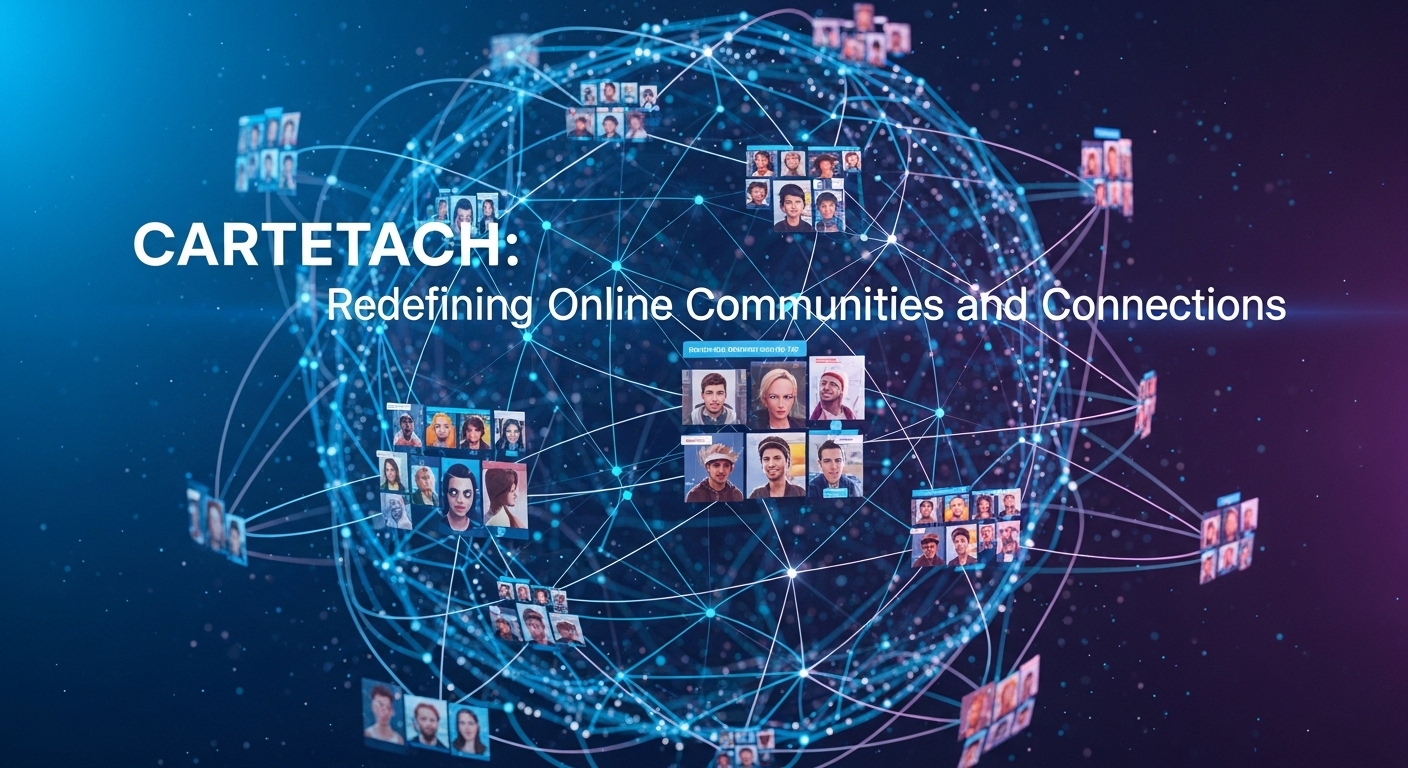
In the digital era, online communities have transformed from simple discussion boards into dynamic ecosystems where people build identities, relationships, and influence. Cartetach emerges as a fresh concept that reshapes how digital spaces are formed, nurtured, and sustained. Unlike traditional platforms that focus mainly on engagement metrics, this approach emphasizes meaningful connections, trust, and shared purpose. By blending technology with human-centered design, modern online environments are evolving into spaces where interaction feels authentic rather than transactional.
Understanding Cartetach in the Modern Digital Landscape
The rise of digital platforms has made it easier than ever to connect, yet many users feel more disconnected than before. Cartetach represents a response to this paradox by redefining how communities are structured and experienced. Instead of prioritizing volume, it values relevance, depth, and continuity in interactions. At its core, this concept focuses on enabling users to participate in spaces where conversations matter, identities are respected, and collaboration feels organic. This shift reflects a growing demand for online environments that mirror real-world social values rather than purely algorithm-driven engagement.
The Evolution of Online Communities
Online communities have passed through several phases, from early forums and chat rooms to social media giants and niche platforms. Each stage brought innovation but also new challenges such as information overload, superficial engagement, and declining trust. The modern approach emphasizes intentional community building. Platforms adopting this philosophy encourage users to contribute thoughtfully, connect around shared interests, and sustain long-term participation. This evolution marks a move away from passive scrolling toward active involvement.
Key Phases of Community Development
| Era | Primary Focus | User Experience |
|---|---|---|
| Early Internet Forums | Discussion and anonymity | Text-based, topic-centric |
| Social Media Expansion | Reach and visibility | High engagement, low depth |
| Modern Community Models | Meaning and trust | Purpose-driven interaction |
This progression highlights why new frameworks are necessary to address the limitations of earlier models.
Why Human-Centered Design Matters in Digital Spaces
Technology alone cannot create strong communities. Human-centered design ensures platforms reflect emotional, cultural, and social needs. This includes intuitive interfaces, respectful moderation, and systems that reward contribution rather than noise. By aligning technology with empathy, digital communities become places where users feel valued. This approach reduces toxicity, encourages collaboration, and builds loyalty over time.
Principles That Support Healthy Communities
| Principle | Description | Impact |
|---|---|---|
| Transparency | Clear rules and moderation | Builds trust |
| Inclusivity | Welcoming diverse voices | Expands perspectives |
| Purpose | Shared goals and values | Sustains engagement |
These principles help platforms move beyond surface-level interaction toward lasting relationships.
Cartetach as a Framework for Meaningful Interaction
Rather than acting as just another platform, Cartetach can be understood as a framework that guides how online spaces are designed and managed. It promotes structured yet flexible environments where users can express themselves without fear of being lost in noise. This framework encourages community leaders to focus on quality discussions, thoughtful onboarding, and long-term member growth. The result is a digital space that evolves with its users rather than exploiting their attention.
The Role of Trust and Authenticity
Trust is the foundation of any successful community. Without it, engagement becomes shallow and temporary. Authenticity emerges when users feel safe to share ideas, experiences, and feedback. Digital environments that prioritize respectful interaction tend to see higher retention and deeper participation. Trust also enhances collaboration, making communities valuable not only socially but professionally and creatively.
How Online Connections Are Being Redefined
Traditional platforms often measure success through likes, shares, and follower counts. However, meaningful connection cannot be reduced to numbers alone. New community models focus on conversation quality, contribution value, and relationship strength. This redefinition changes how users perceive success online. Instead of chasing visibility, they seek belonging, recognition, and mutual growth.
Comparing Traditional and Modern Community Approaches
| Aspect | Traditional Model | Modern Community Focus |
|---|---|---|
| Metrics | Likes and followers | Engagement depth |
| Interaction | One-way broadcasting | Two-way dialogue |
| Longevity | Short-term trends | Sustainable growth |
These differences illustrate why many users are migrating toward more intentional digital spaces.
Cartetach and the Future of Digital Collaboration
Collaboration is no longer limited by geography. Online communities now serve as hubs for learning, innovation, and collective problem-solving. Cartetach supports this future by encouraging systems that reward cooperation rather than competition. From open knowledge sharing to creative partnerships, digital collaboration thrives when communities provide structure without rigidity. This balance enables users to experiment, contribute, and grow together.
Economic and Social Value of Strong Online Communities
Beyond social interaction, strong communities generate economic value. Brands, creators, and educators increasingly rely on engaged audiences rather than mass reach. Communities built on trust offer better feedback, stronger loyalty, and more sustainable growth. Socially, these spaces provide support, learning opportunities, and a sense of belonging. In an increasingly digital world, such value cannot be overstated.
Community Value Dimensions
| Dimension | Benefit | Long-Term Effect |
|---|---|---|
| Social | Connection and support | Increased well-being |
| Economic | Loyal audiences | Sustainable revenue |
| Educational | Knowledge exchange | Skill development |
These dimensions show how intentional community design impacts multiple aspects of life.
Challenges Facing Modern Online Communities
Despite progress, challenges remain. Moderation, scalability, and maintaining authenticity as communities grow are ongoing concerns. Rapid expansion can dilute values if not managed carefully. Solutions involve clear governance, empowered moderators, and tools that encourage constructive participation. Communities that address these challenges proactively are more likely to thrive.
Cartetach as a Response to Digital Fatigue
Many users experience digital fatigue caused by constant notifications and superficial interaction. Cartetach addresses this by encouraging slower, more meaningful engagement. This approach reduces burnout and fosters intentional participation. By shifting focus from endless consumption to purposeful interaction, digital spaces can become healthier and more rewarding.
The Role of Leadership in Community Success
Strong leadership shapes community culture. Leaders set expectations, model behavior, and guide growth. Transparent leadership builds trust and encourages members to take ownership of the space. Effective leaders listen actively, adapt policies based on feedback, and prioritize the community’s long-term well-being over short-term metrics.
Technology Supporting Human Connection
While technology often receives blame for disconnection, it can also enhance relationships when used thoughtfully. Features such as structured discussions, moderation tools, and personalization support healthy interaction. When technology serves people rather than the other way around, digital communities can reflect the richness of offline relationships.
The Long-Term Vision for Online Communities
The future of online communities lies in balance. Platforms must combine scalability with intimacy, automation with empathy, and innovation with responsibility. Frameworks like Cartetach point toward a future where digital spaces are not just places to consume content but environments where people grow, collaborate, and belong.
Conclusion
Online communities are undergoing a profound transformation. As users seek deeper connections and meaningful engagement, new approaches are reshaping how digital spaces function. Cartetach represents this shift toward intentional, trust-based, and human-centered communities. By focusing on authenticity, collaboration, and shared purpose, the future of online connection looks more sustainable, inclusive, and rewarding than ever before.